.png)

Yoga Poses for Immunity and Warmth During Winter: Balance Your Energy Naturally
Winter is a beautiful season, but it also brings cold weather, slower metabolism, stiffness in the body, and a greater risk of seasonal infections. Many people experience reduced energy levels, poor circulation, joint discomfort, and changes in their usual activity levels during this time. While warm clothing and nutritious food are important, yoga for immunity and winter wellness offers a holistic way to keep the body active, naturally warm, and resilient.
Yoga is much more than a physical exercise. It is a practice that combines movement, breathing, awareness, and relaxation to support overall physical and mental well-being. According to yogic philosophy, every individual carries two primary energies—the solar (Surya) energy and the lunar (Chandra) energy. These energies influence physical vitality, emotions, and mental balance.
The lunar energy is traditionally associated with calmness, relaxation, and cooling qualities, while solar energy represents warmth, vitality, strength, courage, and activity. From a yogic perspective, good health involves maintaining harmony between these energies.
During winter, dynamic yoga practices can help stimulate movement, improve circulation, and maintain physical activity. Through flowing movements, standing postures, balancing poses, and appropriate pranayama techniques, yoga can help the body feel energized and active during colder months.
Did you know? The World Health Organization (WHO) recommends that adults get at least 150 minutes of moderate-intensity physical activity per week, along with muscle-strengthening activities on at least two days. Yoga can contribute to an active lifestyle when practiced at an appropriate intensity. Source: World Health Organization, WHO Guidelines on Physical Activity and Sedentary Behaviour.
Why Keeping the Body Warm and Active Matters for Immunity
Cold weather can encourage people to move less, spend more time indoors, and change their normal routines. Reduced physical activity may contribute to stiffness and lower energy levels.
Regular physical activity supports several aspects of health, including cardiovascular fitness, muscle function, stress management, and overall well-being. Research also suggests that regular, moderate physical activity can have positive effects on immune function.
Yoga encourages gentle yet effective movement that can improve mobility and circulation without necessarily placing excessive stress on the joints. It also incorporates breathing and relaxation practices that may help manage stress.
According to the National Center for Complementary and Integrative Health (NCCIH), research suggests that yoga may help improve general well-being and may have benefits for stress management, sleep, and certain aspects of physical health.
Source: National Center for Complementary and Integrative Health (NCCIH), Yoga: Effectiveness and Safety.
1. Surya Namaskar (Sun Salutation)

Surya Namaskar, or Sun Salutation, is one of the most popular yoga sequences for maintaining an active winter routine. It combines multiple postures with coordinated breathing and continuous movement.
Practicing several rounds at a comfortable pace can increase physical activity, engage multiple muscle groups, improve mobility, and elevate the heart rate. The flowing nature of the sequence can also help you feel warmer and more energized.
For beginners, it is better to start with fewer rounds and gradually increase the number according to fitness level rather than immediately attempting 15–20 rounds.
Surya Namaskar can be particularly useful as part of a morning winter yoga routine because it helps prepare the body for movement and encourages a mindful start to the day.
Benefits of Surya Namaskar
Supports flexibility and mobility
Engages multiple muscle groups
Encourages coordinated breathing and movement
Helps increase physical activity
Promotes an energized feeling
Read More: Safe Yoga Poses for Knee Arthritis and Knee Pain: A Gentle Practice for Stronger, Healthier Knees
2. Virabhadrasana I (Warrior I)
Virabhadrasana I, or Warrior I, is a powerful standing yoga posture that develops strength, stability, and body awareness.
Holding the posture activates the muscles of the legs and core while opening the chest and encouraging controlled breathing.
Regular practice can help improve lower-body strength, balance, and mobility. It can also be a useful addition to a winter yoga sequence because standing postures keep the body actively engaged.
Benefits of Warrior I
Strengthens the legs and core
Opens the chest and shoulders
Improves stability
Encourages focused breathing
Supports overall body strength
3. Virabhadrasana II (Warrior II)
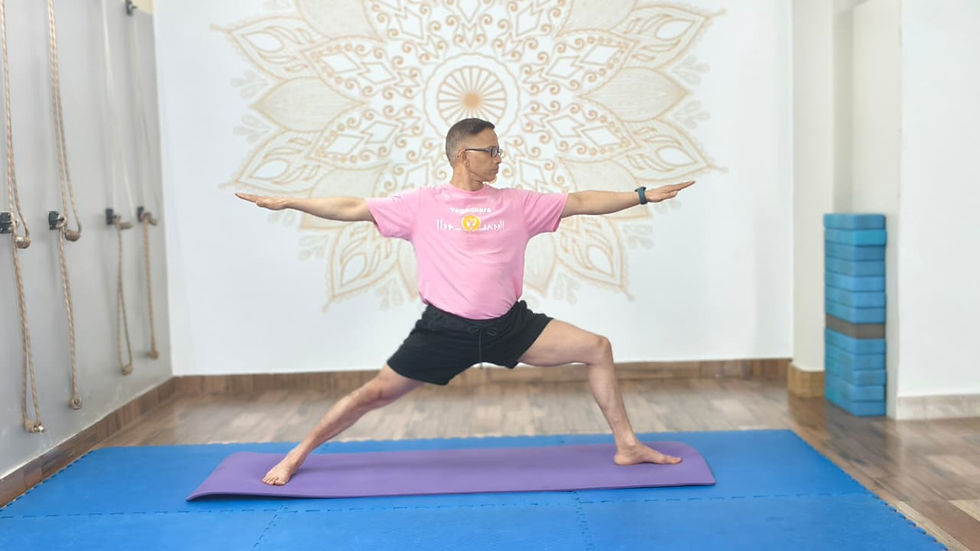
Virabhadrasana II, commonly known as Warrior II, develops stamina, balance, and concentration.
The posture requires active engagement of the legs, hips, shoulders, and core. Maintaining the pose while breathing steadily encourages both physical and mental focus.
Warrior II can be particularly helpful for people who feel less active during winter and want to incorporate strength-based yoga poses into their routine.
Benefits of Warrior II
Strengthens the legs and hips
Improves balance and stability
Engages the core
Encourages concentration
Supports physical endurance
4. Trikonasana (Triangle Pose)

Trikonasana, or Triangle Pose, combines stretching, strengthening, and controlled breathing.
The posture lengthens the sides of the body, engages the legs, and encourages mobility around the hips and spine. Its gentle twisting and stretching action can also complement a balanced movement routine.
Good digestion and regular physical activity are important components of overall health. However, yoga should complement—not replace—a balanced diet and appropriate medical care.
Benefits of Trikonasana
Supports flexibility
Strengthens the legs
Encourages spinal mobility
Opens the chest and sides of the body
Supports an active lifestyle
5. Natarajasana (Dancer Pose)
Natarajasana, or Dancer Pose, is a balancing posture that develops strength, flexibility, coordination, and concentration.
Balancing poses require engagement from multiple parts of the body. Maintaining stability also encourages mental focus and body awareness.
The posture opens the front of the body, strengthens the standing leg, and challenges balance. For beginners, practicing near a wall or under the guidance of a qualified yoga instructor can provide additional support.
Benefits of Natarajasana
Improves balance
Develops concentration
Strengthens the legs
Supports flexibility
Enhances body awareness
6. Sanchalanasana (Equestrian Pose)
Sanchalanasana, commonly practiced as part of Surya Namaskar, is another useful posture for a winter yoga routine.
It involves a lunge-like position that works the legs and hips while creating movement through the body. The posture can help support hip mobility and complement dynamic yoga sequences.
Practicing it with proper alignment is important, especially for people experiencing knee, hip, or lower-back discomfort.
Benefits of Sanchalanasana
Supports hip mobility
Stretches the front of the hips
Engages the legs
Complements dynamic yoga sequences
Encourages full-body movement
Pranayama for Natural Warmth

Yoga postures are only one part of a complete yoga practice. Pranayama, or yogic breathing practices, can also be incorporated into a winter wellness routine.
Deep diaphragmatic breathing encourages controlled, mindful breathing and can help promote relaxation and body awareness.
Practices such as Bhastrika Pranayama and Kapalabhati are traditionally considered stimulating breathing techniques. However, they are not suitable for everyone and should be learned from a qualified yoga teacher, particularly if you have an existing health condition.
Rather than practicing advanced breathing techniques without guidance, beginners should focus on learning proper breathing mechanics and gradually developing their practice.
Yoga and Immunity: What Does Research Say?
Yoga should not be presented as a cure or treatment for infections, but research indicates that regular yoga practice may support several factors associated with overall health.
A systematic review published in Frontiers in Human Neuroscience examined research on yoga and immune-related outcomes and reported evidence suggesting that yoga may influence inflammatory and stress-related pathways.
However, researchers also note that more high-quality studies are needed to establish clear clinical conclusions.
Another important factor is stress. Chronic psychological stress can affect multiple systems of the body, including immune regulation. Yoga's combination of physical movement, breathing, and relaxation may help people manage stress and support overall well-being.
Some evidence-based benefits associated with regular yoga practice include:
Better stress management
Improved flexibility and mobility
Support for physical activity
Improved balance and body awareness
Potential benefits for sleep and relaxation
Important: Yoga can support a healthy lifestyle, but it should not replace medical treatment, vaccinations, nutritious food, or professional medical advice.
Yoga Balances Energy from Within
Modern lifestyles often disturb our natural energy balance. Lack of movement, stress, irregular sleep, and poor eating habits can affect energy levels and overall well-being.
Yoga encourages harmony through movement, breathing, mindfulness, and relaxation. Instead of relying only on external warmth, a regular yoga practice encourages you to stay physically active and aware of your body.
When practiced consistently, yoga can become part of a healthy lifestyle that supports mobility, strength, breathing, stress management, and overall wellness.
Winter Yoga Practice Tips
To gain the most from your winter yoga routine:
Practice yoga after a gentle warm-up.
Start with a comfortable number of Surya Namaskar rounds.
Gradually increase intensity according to your fitness level.
Include standing postures such as Warrior I, Warrior II, Trikonasana, and Natarajasana.
Wear comfortable clothing that allows free movement.
Practice in a comfortable, warm environment.
Stay hydrated even during colder weather.
Combine yoga with nutritious seasonal foods and adequate sleep.
Finish your practice with relaxation or meditation.
Learn advanced pranayama techniques from a qualified yoga instructor.
A Simple Winter Yoga Routine
For beginners, a simple routine could include:
5 minutes: Gentle warm-up 5–10 minutes: Surya Namaskar 10 minutes: Warrior I, Warrior II and Trikonasana 5 minutes: Balance practice such as Natarajasana 5 minutes: Gentle breathing and relaxation
Adjust the duration and intensity according to your fitness level and personal needs.
Start Your Yoga Journey with Yoga Dhara Wellness
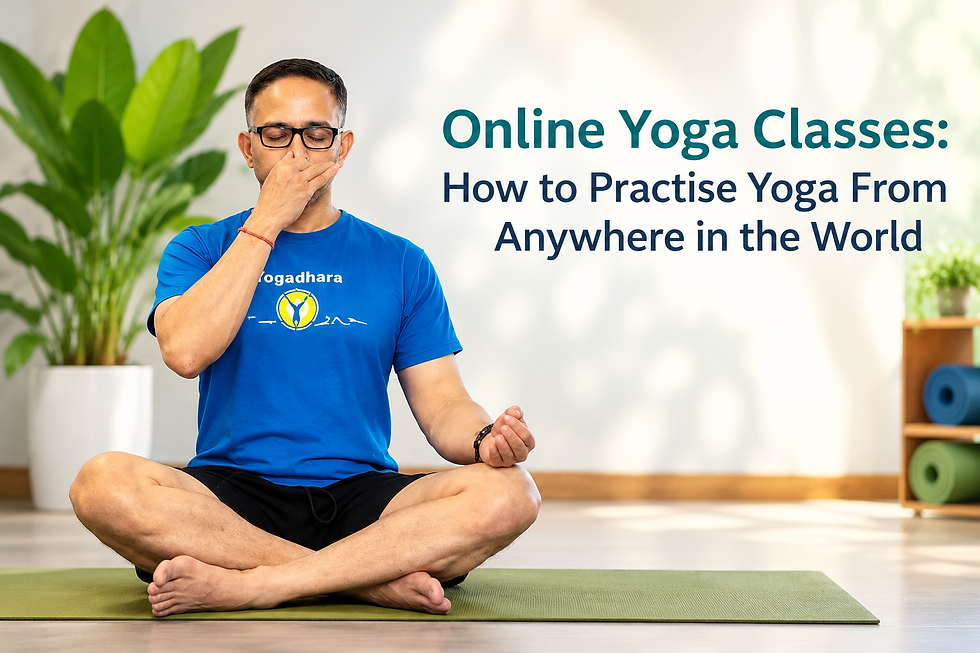
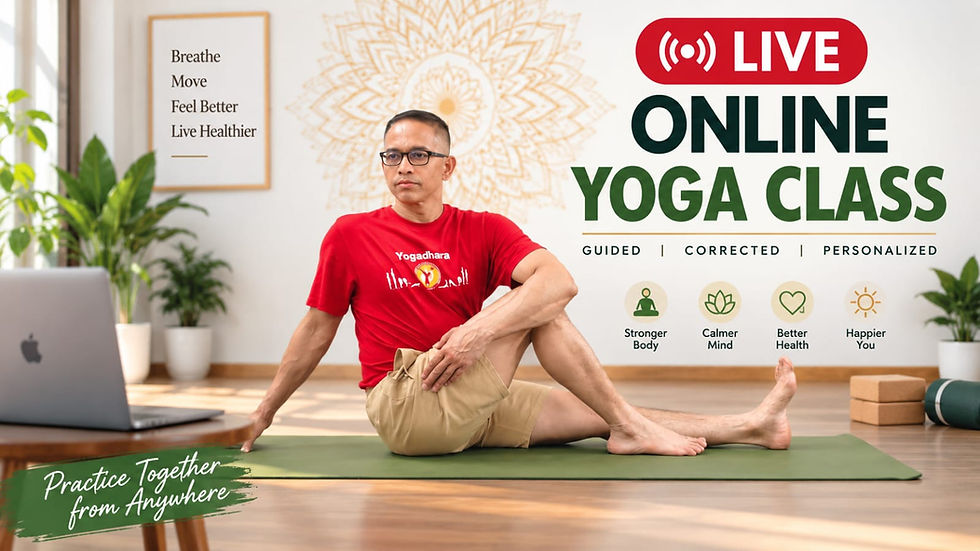
Looking for Yoga Classes in Dehradun or convenient Online Yoga Classes from the comfort of your home?
Yoga Dhara Wellness provides yoga classes designed to help you develop a consistent practice for better flexibility, strength, relaxation, and overall wellness.
👉 Join Yoga Dhara Wellness and start your yoga journey today.
Website: https://www.yogadharawellness.com/
Final Thoughts
Winter is not a season to become inactive—it can be an opportunity to build a consistent movement and wellness routine. Yoga for immunity and winter wellness can help support flexibility, strength, mobility, stress management, and an active lifestyle.
Regular practice of Surya Namaskar, Warrior poses, Trikonasana, Natarajasana, and Sanchalanasana, combined with appropriate breathing exercises, can help you stay active and energized during colder months.
The true essence of yoga is not simply stretching the body—it is creating harmony between movement, breath, and awareness. When practiced consistently and appropriately, yoga can become a valuable part of your overall wellness routine.
Whether you are a beginner looking for Yoga Classes in Dehradun or prefer the convenience of practicing from home through Online Yoga Classes, learning under the guidance of an experienced yoga instructor can help you build a safe and consistent practice.
Comments